
How to Encrypt Email in Gmail (Step by Step)
Gmail encrypts in transit but not end-to-end. Every encryption method compared - Confidential Mode, S/MIME, PGP with Mailvelope, and FlowCrypt.
How to Report Phishing Emails on Gmail (Step-by-Step)
Report phishing in Gmail on desktop, iPhone, and Android. Step-by-step screenshots, what happens after you report, and how to protect yourself from future attacks.
How to Stop Sextortion Emails and Protect Yourself
Received a sextortion email demanding Bitcoin? It is almost certainly a bluff. Here is exactly what to do, how to tell if it is fake, and how to prevent future ones.
Is Gmail Secure Enough for Business Email?
Gmail offers solid security, but secure and suitable for business are not the same thing. Here is what Gmail does well, where it falls short, and what to add.
How to Send an Anonymous Email (Without Breaking the Law)
Legitimate ways to send email without revealing your identity - from throwaway accounts to aliases to encrypted providers.
Email Privacy in 2026: What Has Changed and What You Should Do
New regulations, AI-powered phishing, and the decline of tracking pixels. A look at where email privacy stands and practical steps to protect yourself.
The Complete Guide to Email Authentication: SPF, DKIM, DMARC, and Beyond
Everything you need to know about email authentication in one place. How SPF, DKIM, and DMARC work together, how to set them up, and common mistakes to avoid.
Email Security Threats in 2026: A Comprehensive Overview
From AI-powered phishing and business email compromise to SIM swapping and zero-day exploits - a deep dive into every major email threat vector and how to defend against each one.
The Anatomy of a Phishing Email: How to Spot Fakes in 2026
AI has made phishing emails nearly perfect. We dissect real-world examples and teach you the technical signals that still give them away.
Everything You Need to Know About Using Subdomains for Email
info.brand.com, news.brand.com, mail.brand.com - subdomains are everywhere in email. When are they legitimate, when are they phishing, and should you use them for your own domain?
Registration and Password Reset Bombardment: How to Stop It
Attackers flood your inbox with hundreds of signup confirmations and password reset emails. Why it happens and how aliases and rate limiting stop it.
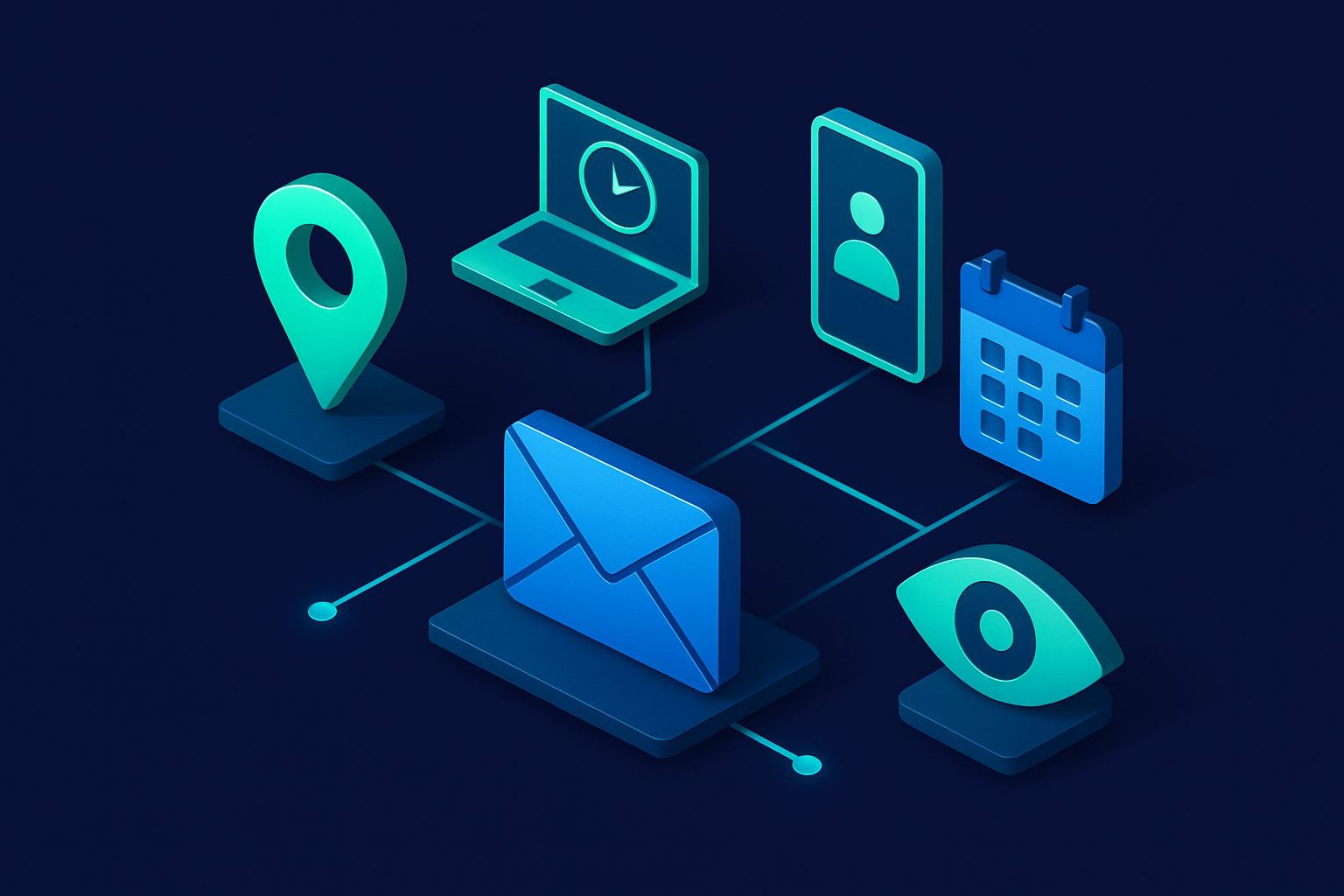
What Your Email Metadata Reveals About You (Even When the Content Is Encrypted)
You encrypted the body. But the headers still show who you emailed, when, from where, which device, which client, and how often. Email metadata is a surveillance goldmine - here is what it contains and how to limit your exposure.