
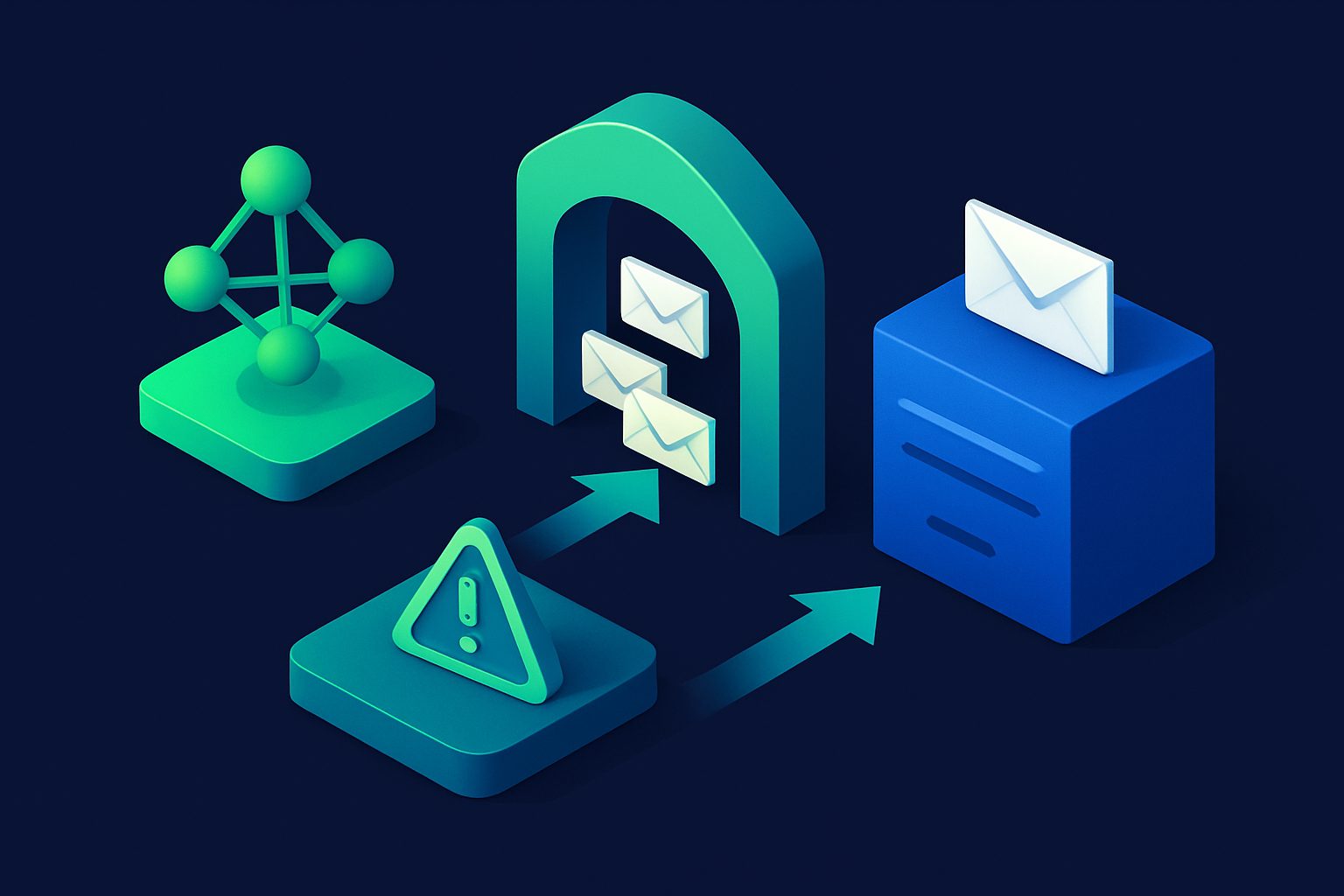
What Is an MX Relay and Why Your Domain Needs One
An MX relay sits between the internet and your mail server, filtering every incoming email before it reaches your users. It stops spam, blocks viruses, and enforces authentication - without changing your email provider.

How Email Tracking Pixels Work and How to Block Them
A tracking pixel is a tiny invisible image embedded in an email. The moment you open the message, it phones home with your IP address, device type, location, and the exact time you read it. Here is how it works and how to stop it.
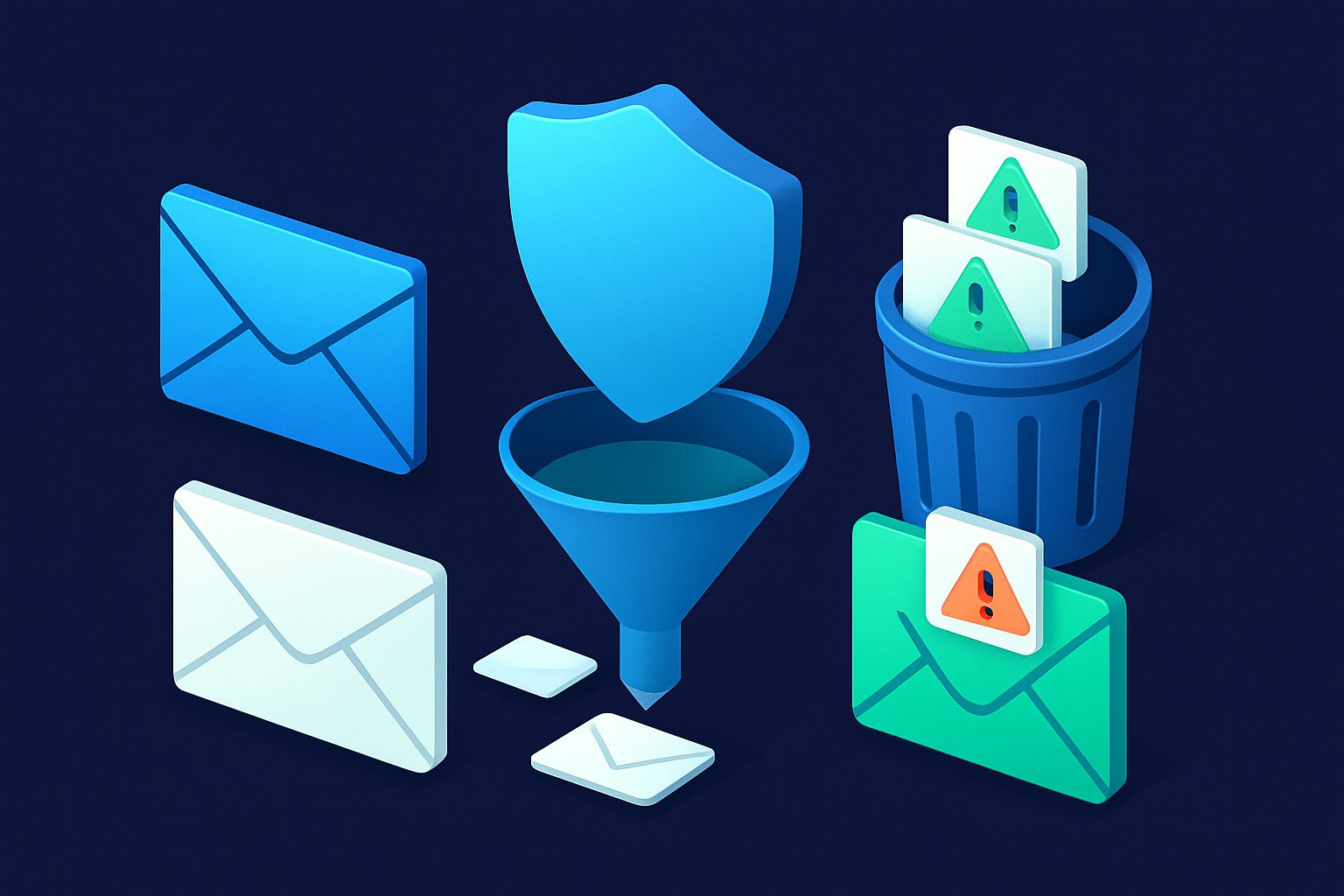
Gmail vs Outlook Spam Filters - Which Actually Catches More Spam?
Gmail and Outlook both promise to keep spam out of your inbox. But they use different approaches with different trade-offs. Here is how they compare in real-world use.
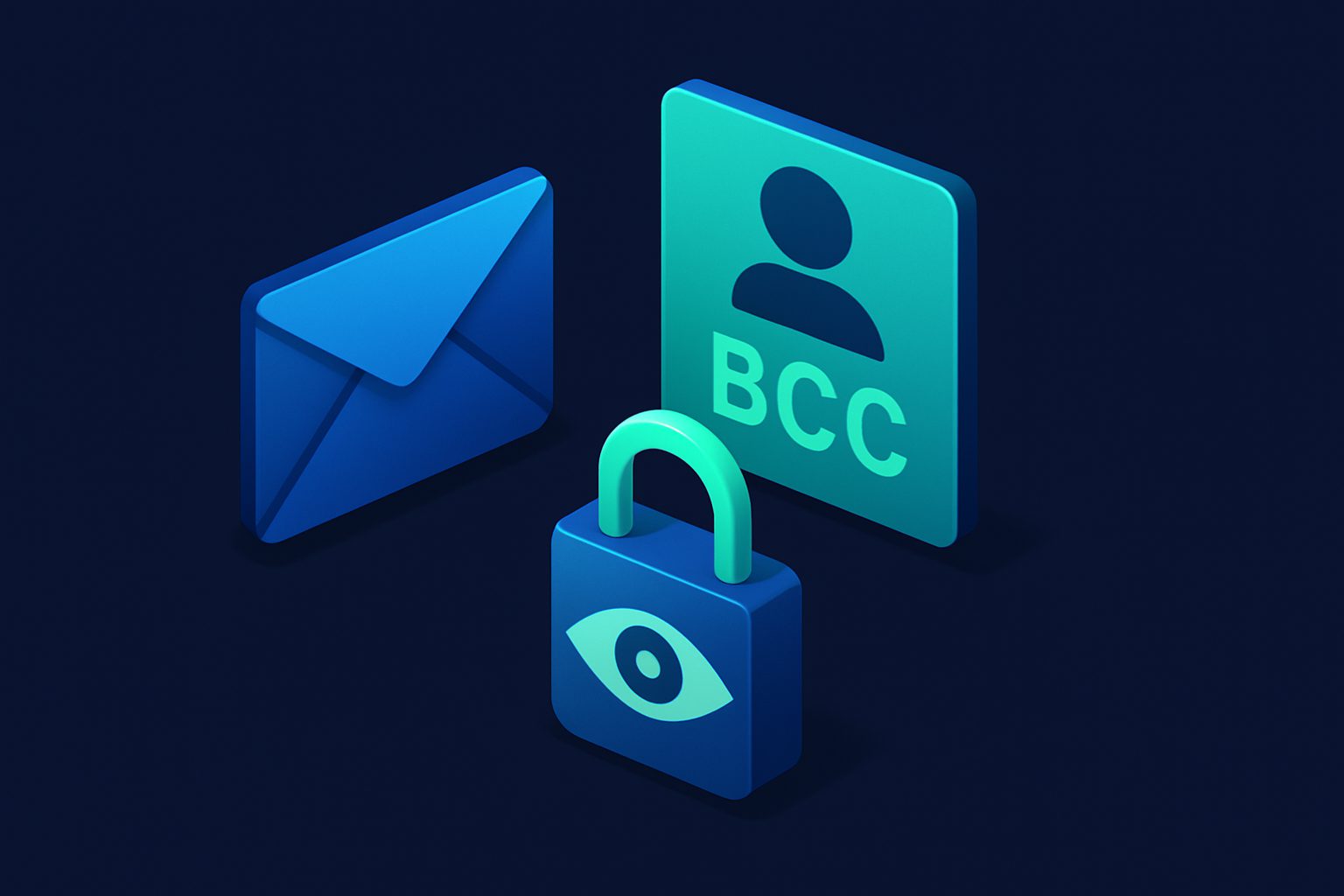
What Is BCC in Email? How Blind Carbon Copy Works
BCC stands for Blind Carbon Copy. It hides recipients from each other so nobody sees who else got the email. Learn how BCC works, when to use it, common mistakes, and how it differs from CC and forwarding.
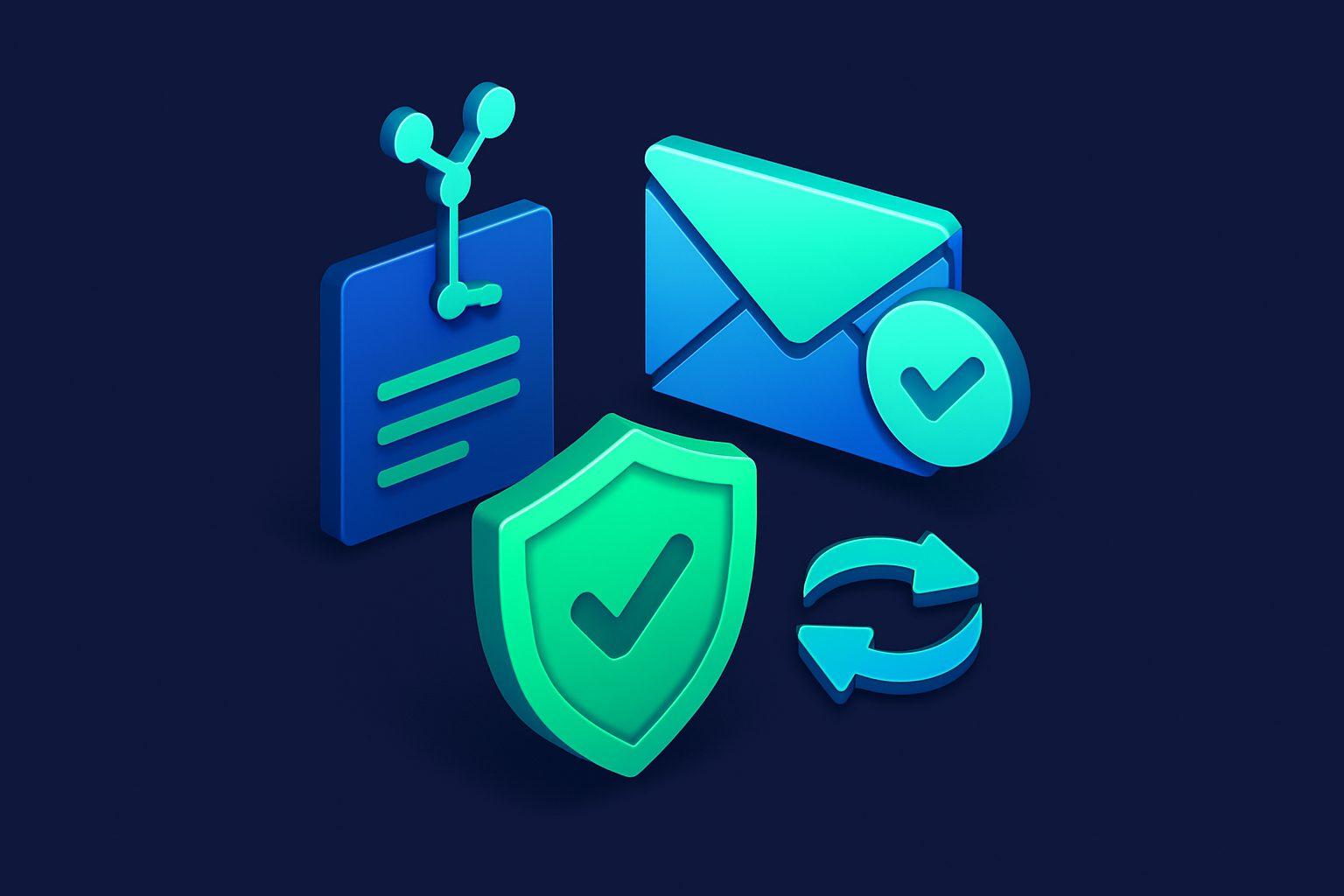
The Complete Guide to Email Authentication: SPF, DKIM, DMARC, and Beyond
Everything you need to know about email authentication in one place. How SPF, DKIM, and DMARC work together, how to set them up, and common mistakes to avoid.
Email Reputation Systems Explained: How IP and Domain Reputation Determine Delivery
Your email deliverability depends heavily on the reputation of your sending IP and domain. Learn how reputation is built, lost, and monitored using tools like Google Postmaster Tools, Microsoft SNDS, and Sender Score.
The Problem with Bayesian Spam Filtering: Why Pattern Matching Is Not Enough
Bayesian spam filters have protected our inboxes for 20 years. They are brilliant at pattern recognition. But they do not understand what an email actually says - and that gap is where modern phishing thrives.
Everything You Need to Know About Using Subdomains for Email
info.brand.com, news.brand.com, mail.brand.com - subdomains are everywhere in email. When are they legitimate, when are they phishing, and should you use them for your own domain?
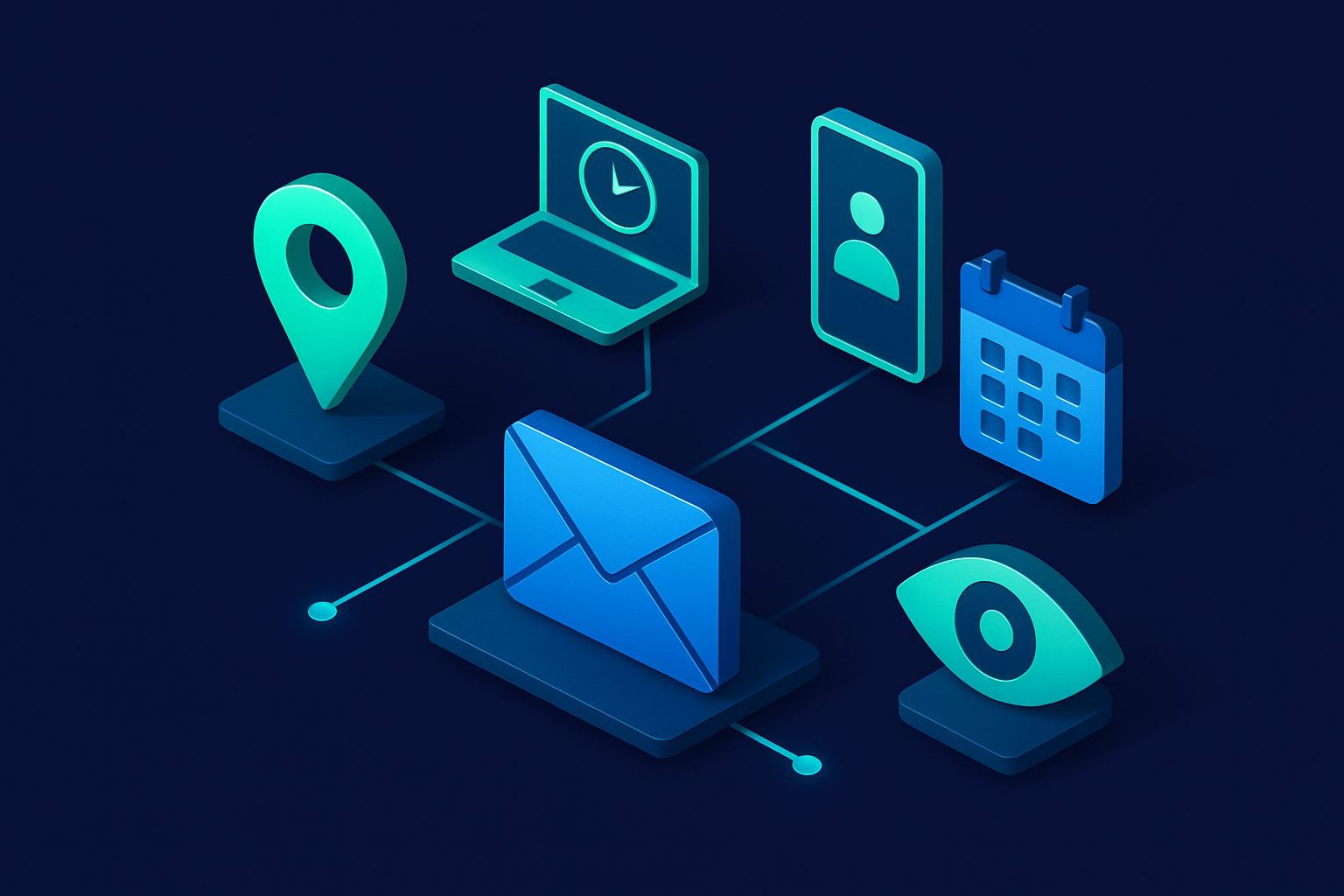
What Your Email Metadata Reveals About You (Even When the Content Is Encrypted)
You encrypted the body. But the headers still show who you emailed, when, from where, which device, which client, and how often. Email metadata is a surveillance goldmine - here is what it contains and how to limit your exposure.
The Importance of TLS Encryption in Email: What You Need to Know
Most email travels unencrypted between servers. TLS changes that - but only if both sides support it. Here is how it works and why it matters.
Understanding Email Headers: A Complete Guide
How to read email headers, what each field means, and how to use them to diagnose delivery problems and spot phishing.
Why Strict DMARC Rejection Is Not Always the Right Choice
DMARC p=reject sounds like the gold standard. But blindly rejecting DMARC failures breaks email forwarding for thousands of users. Here is the nuance.