
The Best Free Email Tools for Privacy in 2026
Nine free tools that protect your email privacy right now - aliases, breach monitoring, tracker blocking, password managers, and more. No subscriptions needed.
Building an Email Security Stack for Small Businesses in 2026
A practical, budget-conscious guide to layered email security - DNS, filtering, training, and monitoring for teams of 1 to 50.
Email Threat Landscape: 10 Types of Attacks Targeting Your Inbox
From phishing to BEC to zero-font tricks - the 10 most common email-based attacks in 2026, how they work, and how each one is stopped.
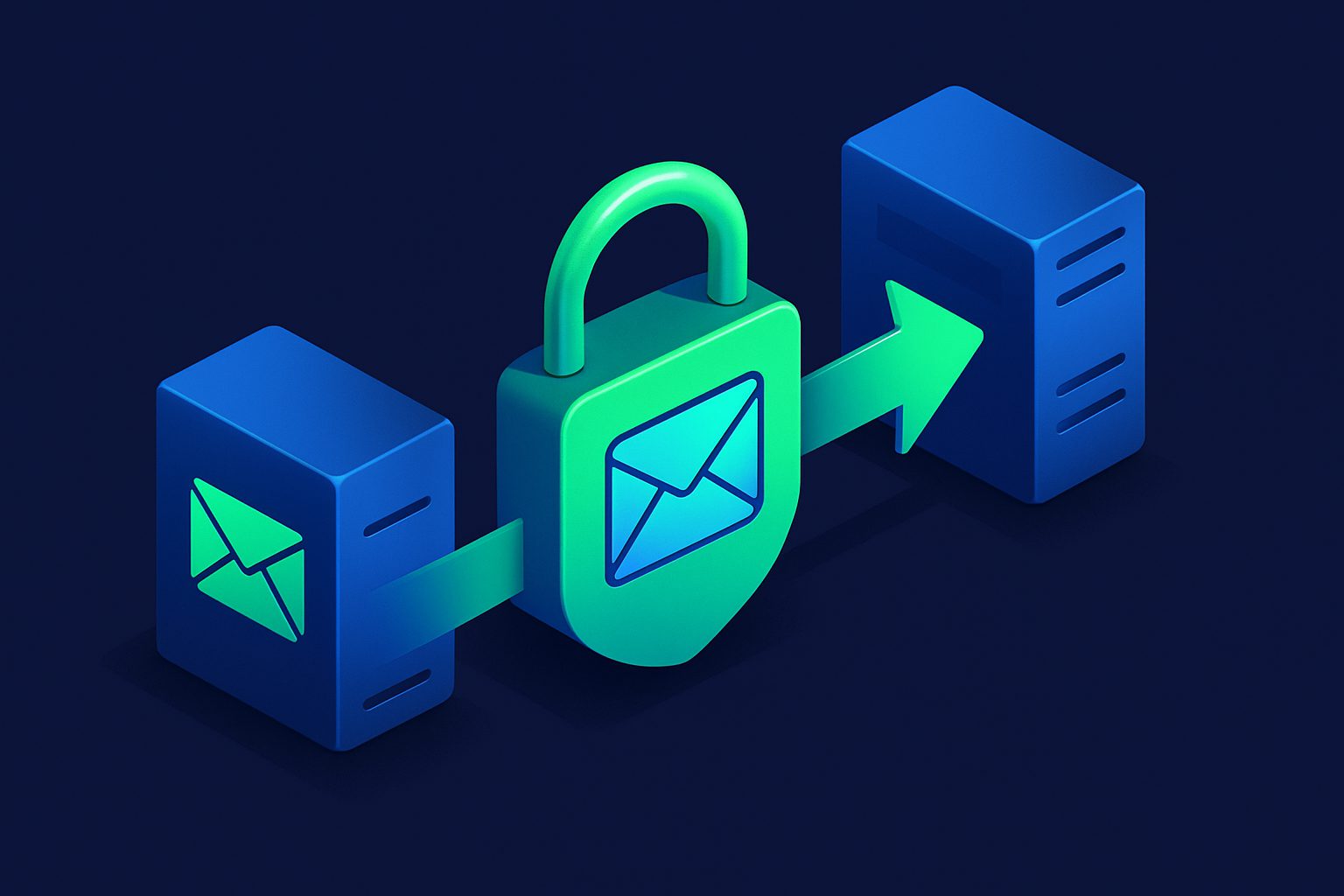
The Importance of TLS Encryption in Email: What You Need to Know
Most email travels unencrypted between servers. TLS changes that - but only if both sides support it. Here is how it works and why it matters.
What Is Email Relay and How Does It Protect Your Business?
Email relay sits between the internet and your mail server, filtering threats before delivery. How it works, when you need it, and how it differs from aliases.
Understanding Email Headers: A Complete Guide
How to read email headers, what each field means, and how to use them to diagnose delivery problems and spot phishing.
Privacy-First Email: A Guide for the Paranoid (and the Practical)
From basic hygiene to extreme compartmentalization - a tiered guide to email privacy. What everyone should do, what privacy-conscious users should add, and what the truly paranoid need.
What Is ARC (Authenticated Received Chain) and Why Email Forwarding Needs It
ARC allows email forwarders to preserve authentication results across hops. Learn how Authenticated Received Chain works, who supports it, and why it complements SRS rather than replacing it.
Business Email Compromise (BEC): The Most Expensive Email Attack You Have Never Heard Of
Business Email Compromise costs organizations billions every year, yet most people have never heard of it. Unlike flashy ransomware attacks, BEC relies purely on social engineering - no malware, no malicious links. Learn how these attacks work, why they succeed, and how to defend against them.
How to Protect Your Company Email from Phishing: A Practical Guide
A layered approach to defending your business email against phishing - from DNS authentication to employee training to relay filtering.
What Email Providers Don't Tell You About Your Privacy
What Gmail, Outlook, and Yahoo actually do with your email data - scanning, tracking, metadata collection, and what you can do about it.
Email Security for Freelancers: Protect Your Professional Reputation
A practical email setup for freelancers - custom domain, alias per client, spam protection, and professional appearance on a budget.