Everything You Need to Know About Using Subdomains for Email
info.brand.com, news.brand.com, mail.brand.com - subdomains are everywhere in email. When are they legitimate, when are they phishing, and should you use them for your own domain?
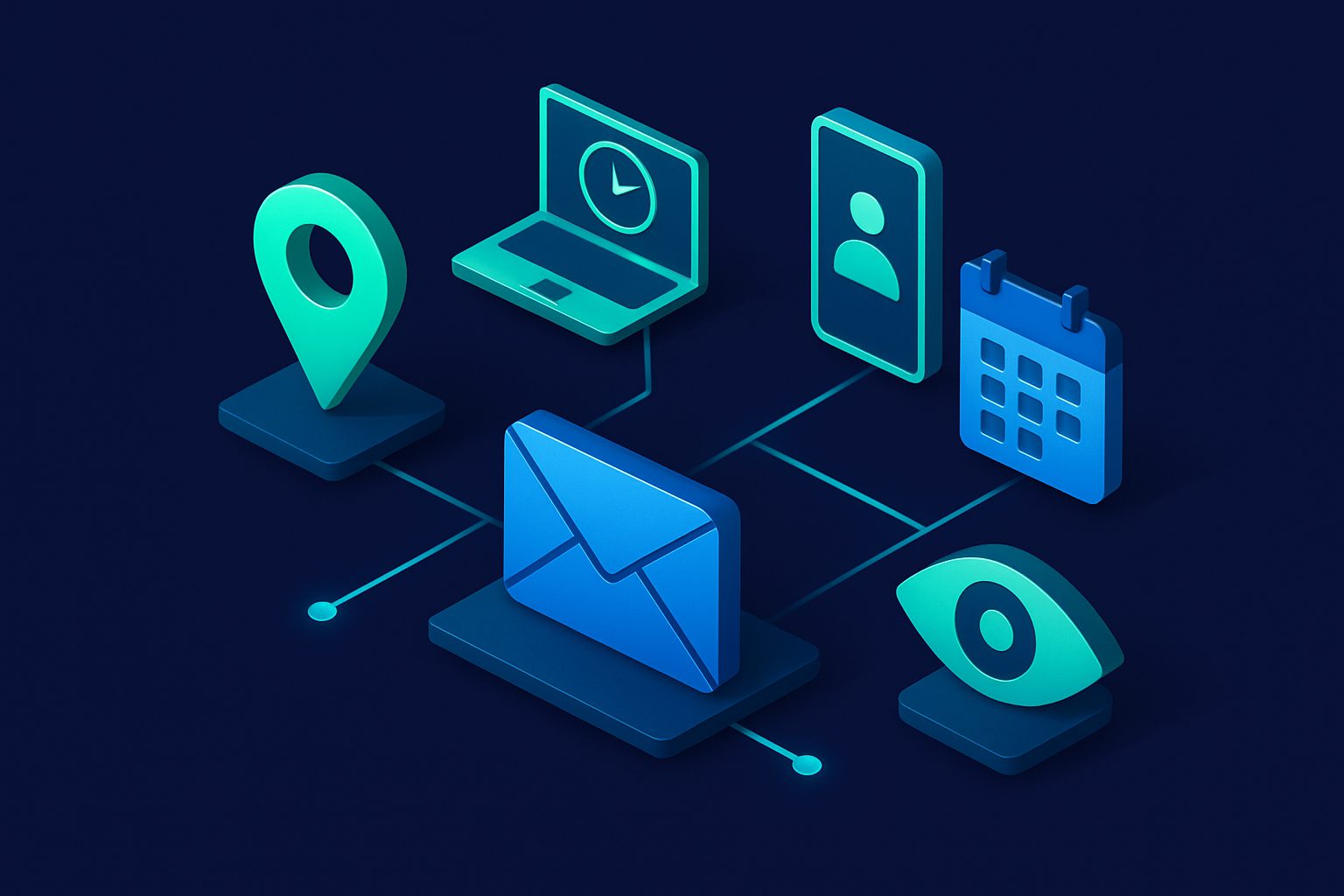
What Your Email Metadata Reveals About You (Even When the Content Is Encrypted)
You encrypted the body. But the headers still show who you emailed, when, from where, which device, which client, and how often. Email metadata is a surveillance goldmine - here is what it contains and how to limit your exposure.
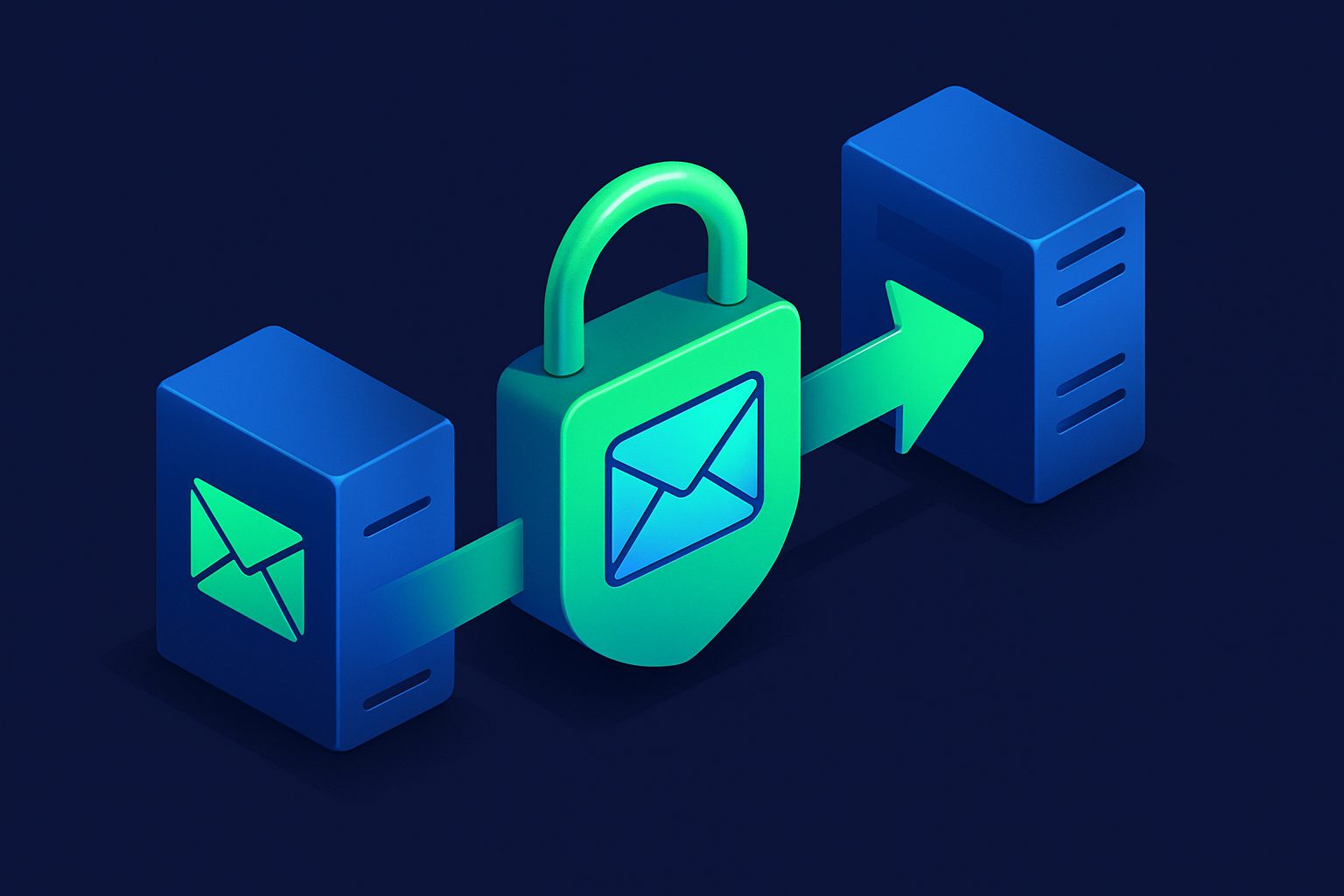
The Importance of TLS Encryption in Email: What You Need to Know
Most email travels unencrypted between servers. TLS changes that - but only if both sides support it. Here is how it works and why it matters.
Understanding Email Headers: A Complete Guide
How to read email headers, what each field means, and how to use them to diagnose delivery problems and spot phishing.
Why Strict DMARC Rejection Is Not Always the Right Choice
DMARC p=reject sounds like the gold standard. But blindly rejecting DMARC failures breaks email forwarding for thousands of users. Here is the nuance.
What Is ARC (Authenticated Received Chain) and Why Email Forwarding Needs It
ARC allows email forwarders to preserve authentication results across hops. Learn how Authenticated Received Chain works, who supports it, and why it complements SRS rather than replacing it.
Top 10 DNSBL Providers Compared: Spamhaus, Barracuda, SpamCop, and More
A practical comparison of the most widely used DNS-based blocklists. Learn how Spamhaus, Barracuda, SpamCop, SURBL, and others work, what they list, and which ones are worth using.
Why Your Email Forwarder Breaks SPF (and How SRS Fixes It)
Email forwarding breaks SPF authentication by design. Here is why it happens, what SRS does to fix it, and why this matters for deliverability.
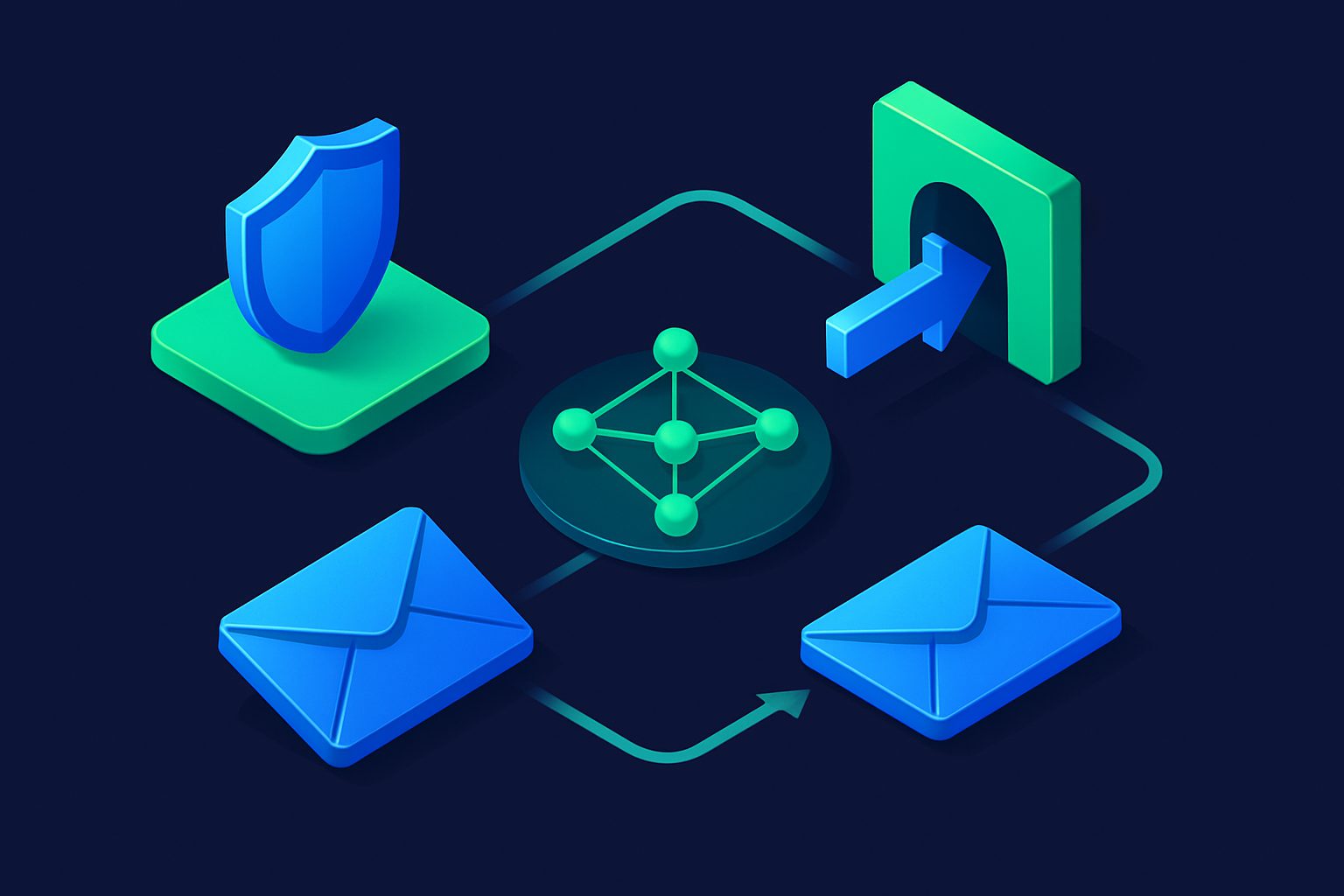
The Hidden Life of an Email: From Send to Inbox in 12 Steps
You click Send. The email arrives 3 seconds later. But between those two clicks, your message traveled through DNS lookups, SMTP handshakes, TLS negotiation, spam scanning, virus checks, and authentication verification. Here is the complete journey.
Google and Yahoo Email Requirements: What Changed and What You Need to Do
In 2024, Google and Yahoo enforced strict authentication and unsubscribe requirements for bulk senders. Here is what you need to comply.
DMARC Alignment Explained: Why Authentication Alone Is Not Enough
Passing SPF and DKIM is not enough for DMARC. Learn what identifier alignment means, the difference between relaxed and strict modes, and why forwarding breaks SPF alignment but preserves DKIM alignment.
How to Audit Your Email Infrastructure for Security Weaknesses
Your MX records are public. Your SMTP banner reveals your software. Your TLS config may be outdated. Here is a step-by-step security audit of your email infrastructure using free tools - and how to fix what you find.